
What Is Fumigation, and When Is It Necessary for Pest Control?
People searching for pest fumigation are usually seeking to eliminate severe infestations, and local service providers can handle the treatment safely and effectively.
If you’re wondering what fumigation is and when it becomes a necessary step in pest control, you’ve come to the right place. Fumigation involves the use of targeted gases or vapors to eliminate pests that have infested a property, often when other methods haven’t been effective. Property owners in the area facing severe infestations or dealing with pests that hide deep within structures may find this approach to be a practical solution. Understanding the circumstances that call for fumigation can help you make informed decisions about protecting your home or business from persistent pests.
Local service providers who specialize in pest fumigation are equipped to assess your situation and determine if this method is appropriate. Whether dealing with termites, bed bugs, or other challenging pests, these professionals can offer expert guidance on when fumigation is necessary and how it fits into an overall pest management plan. Keep reading to learn more about the signs that indicate fumigation may be needed and how local contractors can assist in safeguarding your property against pests.
- Pest Fumigation - local contractors are often called upon when severe infestations require thorough treatment of entire structures.
- Fumigation for pests - is necessary when traditional methods fail to eliminate pests like termites, bed bugs, or stored product insects.
- Structural fumigation - may be needed during building renovations or before new construction to prevent pest infestations from establishing.
- Pre-treatment fumigation - is recommended prior to moving into a new property to ensure it is pest-free, with local experts handling the process safely.
- Emergency pest control - situations involving sudden infestations often require immediate fumigation services provided by experienced local service providers.
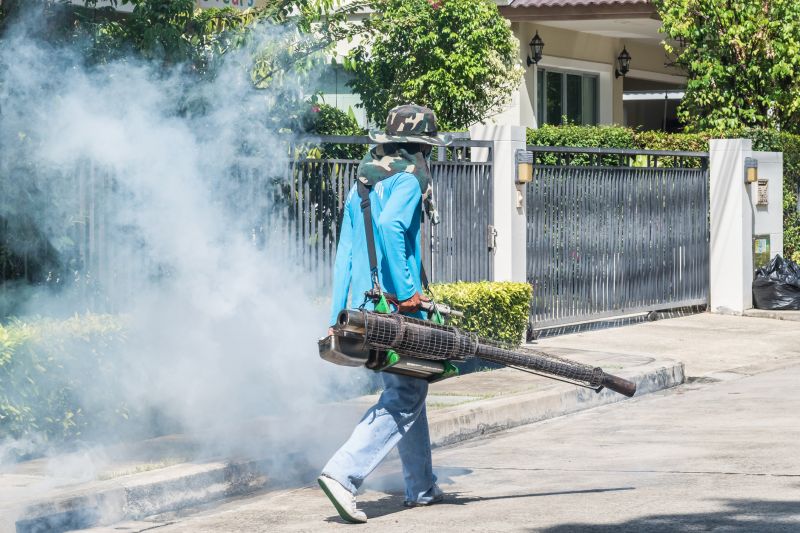
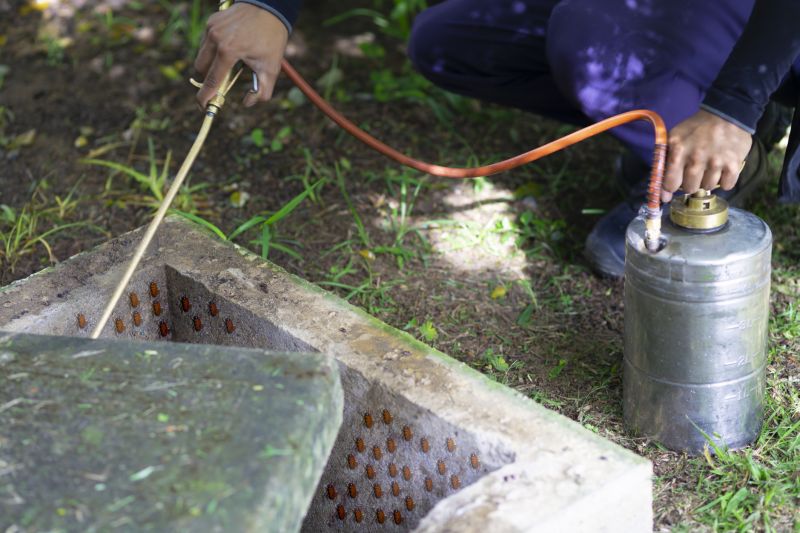
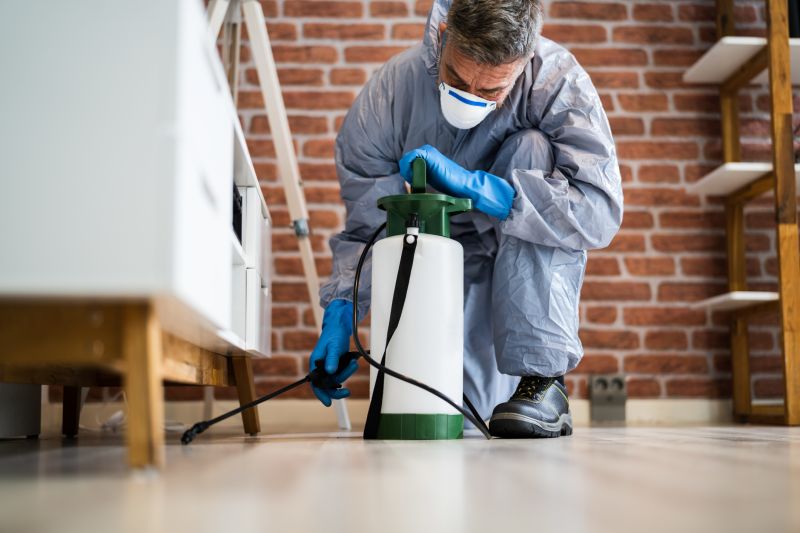
Fumigation is a pest control method that involves sealing off a property and introducing gaseous pesticides to eliminate pests throughout the entire structure. This process is typically used when infestations are severe or widespread, especially when pests are hidden deep within walls, furniture, or structural components. People searching for information on what is fumigation and when it is necessary often face situations where traditional pest control methods have failed or when a rapid, comprehensive solution is needed. Fumigation is especially relevant for dealing with pests like termites, bed bugs, or stored product insects, which can be difficult to eradicate with spot treatments alone.
The decision to pursue fumigation usually stems from specific problems or plans related to pest infestations. For homeowners, it may be prompted by persistent pest issues that threaten the integrity of the property or pose health concerns. In some cases, property owners plan to sell or rent a building and want to ensure it is pest-free before listing. Fumigation is also considered when infestations are extensive, difficult to access, or have spread to multiple areas within a property. Local service providers who specialize in pest fumigation can assess the severity of the problem and recommend whether this intensive treatment is necessary to achieve complete pest elimination.
The types of properties that typically come up in discussions about fumigation include residential homes, especially those with severe termite damage or bed bug infestations. Commercial buildings, warehouses, and storage facilities are also common candidates, particularly when infestations threaten to disrupt operations or compromise stored goods. Larger or more complex structures may require specialized equipment and procedures, which local contractors are equipped to handle. In all cases, the goal is to eliminate pests thoroughly to prevent recurring issues, making professional fumigation a strategic choice for properties facing persistent or invasive pest problems.
Understanding when fumigation is necessary helps homeowners and property managers make informed decisions about pest control strategies. While traditional treatments may suffice for minor infestations, more extensive or resistant pests often require the comprehensive approach that fumigation provides. Local pest service providers can evaluate the specific situation and recommend the most effective course of action, ensuring that properties are thoroughly treated and pests are eliminated. For those facing severe pest issues or planning property transactions, connecting with experienced professionals can make the process more efficient and effective, providing peace of mind that the problem is being handled by experts equipped for the job.
Warehouse pest management - professionals specializing in large-scale pest control often use fumigation techniques to treat entire storage facilities against pests like insects and rodents.
Structural pest control projects - contractors handling building infestations utilize fumigation to eliminate pests that are difficult to reach with conventional treatments.
Historical building preservation - experts working on the preservation of old structures may employ fumigation methods to eradicate pests without damaging delicate materials.
Agricultural storage facilities - service providers managing grain silos and crop storage units often recommend fumigation to prevent pest infestations that can affect produce quality.
Furniture and antique restoration - specialists in restoring valuable furniture or antiques might use fumigation to eliminate pests without invasive procedures.
Termite treatment services - local contractors offering termite control often incorporate fumigation as a solution for severe or widespread infestations.
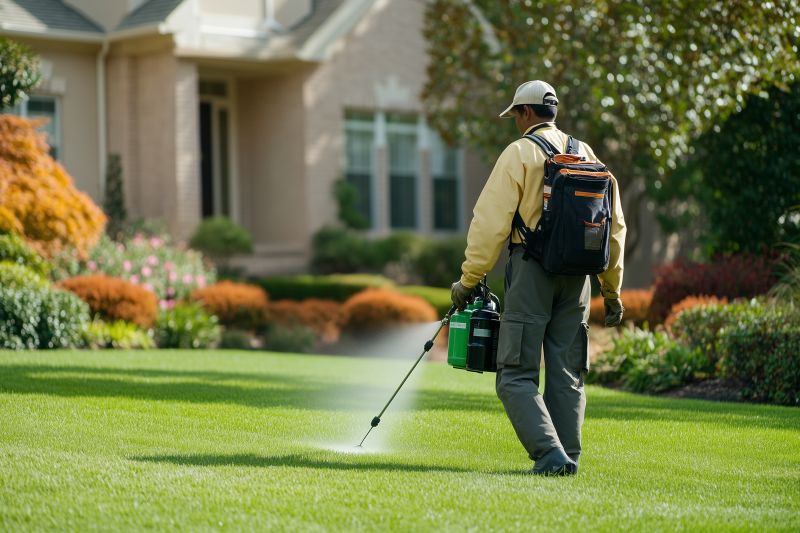
When comparing local contractors for pest fumigation services, it’s important to consider their experience with similar projects. Homeowners should inquire about the types of pests the service providers have handled and whether they have successfully managed cases comparable to their own. An experienced contractor will be familiar with the appropriate fumigation techniques, equipment, and safety procedures needed for different pest issues, which can contribute to more effective results and a smoother process. Additionally, understanding a contractor’s background with specific pest problems can help ensure that the chosen professional is well-equipped to address the unique challenges of each situation.
Clear written expectations are essential when evaluating local service providers for fumigation. Homeowners should seek detailed explanations of what the process entails, including preparation steps, the scope of work, and post-treatment procedures. Having this information in writing helps prevent misunderstandings and ensures that both parties are aligned on the services to be provided. A reputable contractor will be transparent about what the fumigation process involves, what results to expect, and any necessary follow-up actions, making it easier for homeowners to make informed decisions and feel confident in the service plan.
Reputable references and effective communication are key factors when choosing a pest control professional. Homeowners are encouraged to ask for references or reviews from previous clients who had similar pest issues and treatments. This feedback can provide insights into the contractor’s reliability, quality of work, and customer service. Good communication is equally important; service providers should be responsive, willing to answer questions, and able to clearly explain the reasons for recommending fumigation or alternative pest control methods. These qualities help build trust and ensure that the homeowner feels supported throughout the process of addressing their pest concerns.
Property owners often search for what is fumigation, and when is it necessary for pest control? when they are planning practical projects around their homes and businesses. Local pros provide Pest Fumigation services for everyday jobs and straightforward project options.
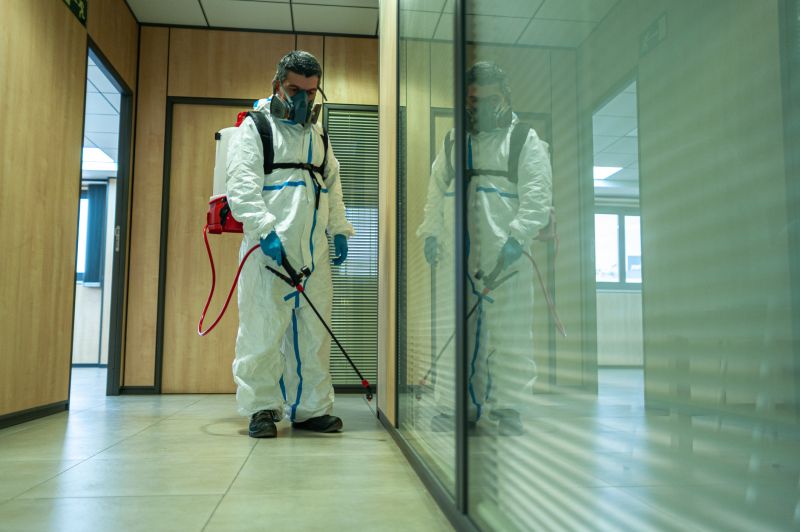
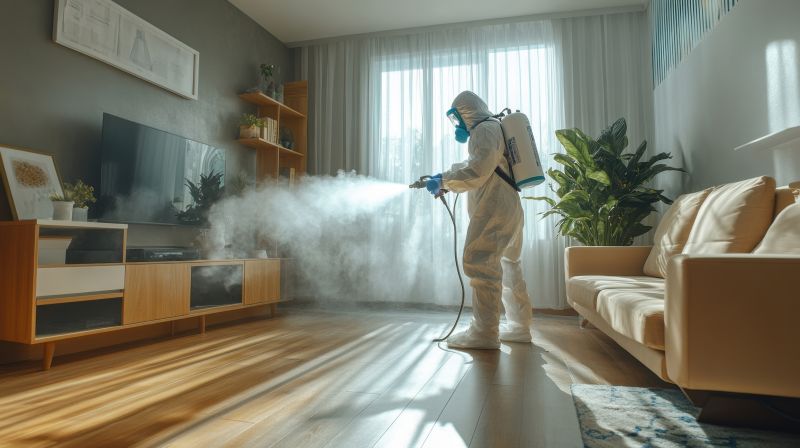
Understanding what is fumigation, and when it is necessary for pest control, can help property owners decide if this intensive treatment is appropriate for their situation. Fumigation involves the use of gaseous pesticides to eliminate pests in a structure or storage area, often when infestations are severe or when pests are difficult to eradicate with standard methods. Homeowners or business owners experiencing persistent pest problems, such as termites or stored product insects, might consider consulting with local contractors who specialize in fumigation services to assess whether this approach is suitable.
In cases where pests have caused extensive damage or have spread throughout a property, fumigation may be recommended by pest control professionals. These specialists can evaluate the severity of the infestation and determine if fumigation is necessary to effectively eliminate the pests and prevent future issues. Property owners searching for solutions to complex or stubborn pest problems often turn to local service providers who have experience handling fumigation treatments, ensuring the job is done thoroughly and efficiently.
What is fumigation, and when is it necessary for pest control? Fumigation involves using gaseous pesticides to eliminate pests in a structure. It is typically necessary when infestations are severe, persistent, or difficult to control with other methods. Local pest control service providers can assess whether fumigation is the appropriate solution for specific pest problems.
How do local contractors determine if fumigation is needed? They evaluate the type of pest, the extent of the infestation, and the structure's conditions to decide if fumigation is the most effective approach. If pests are hidden or resistant to other treatments, fumigation may be recommended.
What types of pests are usually treated with fumigation? Fumigation is commonly used for pests such as termites, bed bugs, and stored product insects. Local service providers can identify if these pests require fumigation based on the situation.
Is fumigation safe for my property and family? When performed by experienced professionals, fumigation is conducted following safety protocols to minimize risks. Service providers ensure proper procedures are followed to protect residents and property during the process.
When should homeowners consider hiring local pros for fumigation? Homeowners should consider professional fumigation when pest infestations are extensive, other treatments have failed, or pests are difficult to access. Local contractors can evaluate the situation and recommend the best course of action.
Understanding fumigation needs - Property owners can evaluate whether fumigation is suitable for their pest issues by consulting with local contractors who can assess the severity of infestations.
Identifying pest situations - Recognizing signs of severe pest problems, such as widespread damage or persistent infestations, can help determine when professional fumigation services are necessary.
Planning for pest control projects - Incorporating fumigation into pest management plans involves coordinating with service providers to ensure proper preparation and execution.
Timing the pest control process - Knowing when to schedule fumigation, especially during specific pest life cycles, can improve effectiveness and is best guided by experienced local contractors.
If you are thinking about what is fumigation, and when is it necessary for pest control? for a property, this guide is meant to help you understand this topic, the typical project types, and how different options might fit your plans.
When you are ready, you can use the quote form on this page to share a few details about your project. From there, local pros can review the basics and follow up with options that match what you have in mind.