
How Fumigation Works in Residential and Commercial Buildings
People seeking to eliminate pests or insects in residential and commercial buildings can rely on local service providers who specialize in fumigation to effectively protect their spaces.
Understanding how fumigation works in residential and commercial buildings can help property owners make informed decisions about pest management. Whether dealing with a stubborn termite infestation, bed bugs, or other pests, knowing the basic process can provide peace of mind and clarity about what to expect. Local contractors who specialize in fumigation services are equipped to handle a variety of situations, ensuring the job is done safely and effectively. Exploring this topic can reveal practical insights into how professional fumigation methods target pests comprehensively, making it a valuable resource for property owners seeking reliable solutions.
For those in the area considering fumigation, understanding the procedure can also highlight the importance of choosing experienced service providers. Local pros offer tailored solutions for both residential and commercial buildings, addressing unique needs and concerns. As you read on, you'll discover how these professionals approach the process, from preparation to execution, and how their expertise can help protect your property from persistent pests. Keeping informed about how fumigation works is a helpful step toward making confident decisions about pest control options.
- Residential fumigation - homeowners may need this service when dealing with persistent pests, and local contractors typically perform thorough inspections followed by targeted treatment to ensure effective pest elimination.
- Commercial fumigation - businesses experiencing infestations in warehouses or office buildings can rely on local service providers to handle large-scale treatments while minimizing disruption.
- Residential fumigation - property owners seeking to protect their homes from termites or other pests can contact local pros who use specialized methods to treat entire structures safely.
- Commercial fumigation - commercial property managers often work with local contractors to develop comprehensive pest control plans that address infestations in complex building systems.
- Residential fumigation - when pests threaten household health or property, local service providers approach the job with tailored solutions that target specific pests and building types.
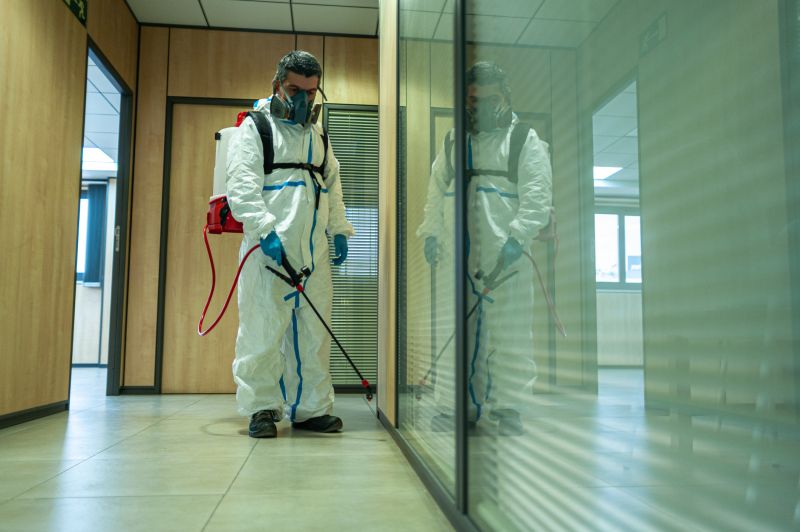
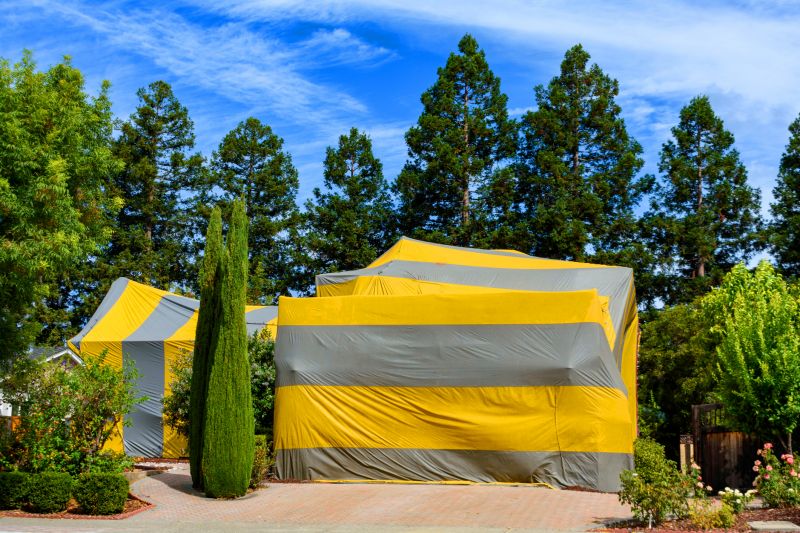
When people search for how fumigation works in residential and commercial buildings, they are often seeking a clear understanding of the process used to eliminate pests, such as termites, bed bugs, or other invasive insects. Fumigation involves the use of specialized gases or chemicals that penetrate deeply into structures to eradicate pests that are difficult to reach through conventional treatments. Homeowners and business owners typically want to know how the process is carried out, what kind of pests it targets, and how effective it is in providing a pest-free environment. Understanding these details helps them determine whether fumigation is a suitable solution for their property and pest problem.
Fumigation is usually related to pest control plans that require comprehensive eradication methods, especially in cases where infestations are severe or widespread. It is commonly considered when pests have established themselves in hard-to-reach areas, such as inside walls, beneath floors, or in structural voids. Homeowners dealing with persistent termite damage or bed bugs often explore fumigation as a final or highly effective step. Commercial property owners, such as those managing warehouses, restaurants, or hotels, may also consider fumigation to protect their investments and ensure compliance with health standards. These projects typically involve detailed planning to prepare the property and coordinate with local service providers for a safe and thorough treatment.
Properties that frequently come up in discussions about fumigation include residential homes, apartment complexes, and multi-unit buildings, as well as various types of commercial spaces. Homes with extensive pest infestations or those in areas prone to certain pests are common candidates. Commercial buildings like warehouses, food processing facilities, and hospitality venues often require fumigation to address pest issues that could impact operations or health regulations. The size, layout, and purpose of the property influence the specific approach taken by local contractors, who tailor fumigation methods to suit each situation. This ensures that the treatment effectively reaches all affected areas while minimizing disruption to the property’s use.
Understanding how fumigation works in residential and commercial buildings helps property owners appreciate the role of local service providers in managing pest problems. These professionals bring specialized equipment and expertise to carry out the process safely and efficiently. They typically start with an inspection to identify the extent of the infestation and determine the appropriate treatment plan. The fumigation itself involves sealing the property to contain the gases or chemicals, then releasing the fumigant to permeate all spaces. After a designated period, the property is ventilated thoroughly before it is safe for occupancy again. This coordinated effort by experienced local contractors ensures the pest eradication process is effective and minimizes inconvenience for homeowners and business operators alike.
Pest control treatments - pest control projects often require similar planning, tools, and application methods as fumigation in residential and commercial buildings, making them relevant for comparison.
Structural pest inspections - inspections for structural pests involve assessing building vulnerabilities and pest entry points, which aligns with the planning involved in fumigation services.
Termite treatment services - termite treatments often utilize fumigation techniques and equipment, connecting them to the processes used in residential and commercial fumigation work.
Moisture and mold remediation - these projects involve specialized chemicals and containment methods that relate to the planning and safety considerations in fumigation procedures.
Building sanitation and disinfection - sanitation projects use similar application tools and planning to ensure thorough coverage, akin to fumigation in various building types.
Hazardous material removal - handling hazardous materials requires safety planning and specialized tools comparable to those used in fumigation services for buildings.
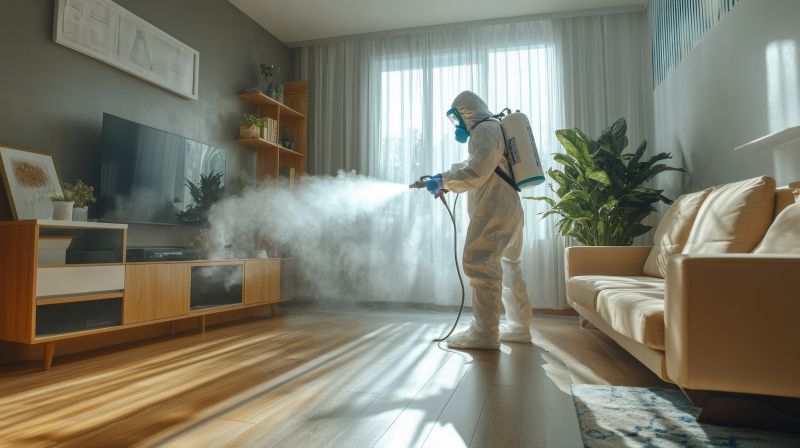
When comparing service providers for fumigation in residential and commercial buildings, it is important to consider their experience with similar projects. A contractor’s familiarity with the specific requirements of different types of structures can influence the effectiveness and safety of the process. Homeowners and business owners should inquire about the types of properties the contractor has worked on and whether they have handled projects comparable in size and complexity. This helps ensure that the chosen service provider understands the nuances of fumigation procedures applicable to both residential and commercial settings.
Clear written expectations are essential when evaluating local contractors for fumigation services. A reputable provider should be able to outline the scope of work, the steps involved in the process, and any preparations or post-treatment actions necessary. Having detailed documentation helps prevent misunderstandings and ensures that all parties are aligned on what the service entails. It also provides a reference point for assessing the professionalism and thoroughness of the contractor, which can contribute to a smoother and more predictable experience.
Reputable references and effective communication are key factors when selecting a service provider for fumigation. Prospective clients should seek out reviews or testimonials that speak to the contractor’s reliability and quality of work. Additionally, good communication from the contractor-such as prompt responses to questions and clear explanations of procedures-can build confidence in their ability to manage the project efficiently. Choosing a provider who values transparency and maintains open dialogue helps ensure that the process of how fumigation works in residential and commercial buildings is understood and managed effectively throughout the service.
Property owners often search for how fumigation works in residential and commercial buildings when they are planning practical projects around their homes and businesses. Local pros provide Residential and Commercial Fumigation services for everyday jobs and straightforward project options.
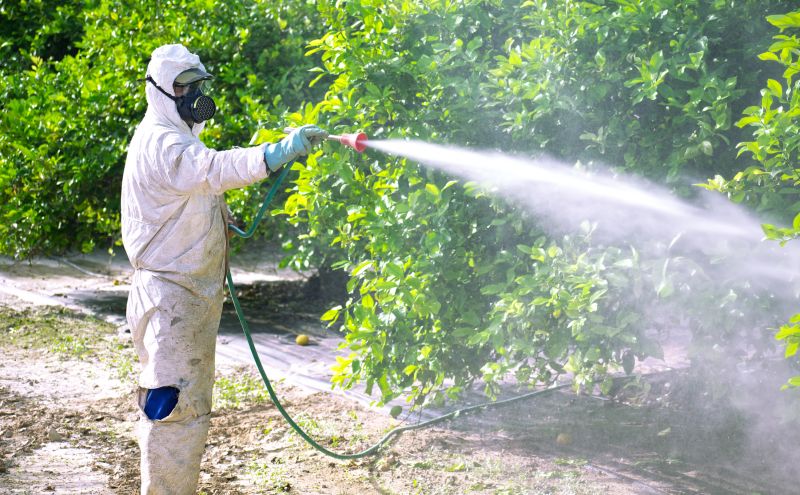

Understanding how fumigation works in residential and commercial buildings is essential for property owners facing pest problems or preparing for inspections. In typical scenarios, local contractors use specialized equipment to introduce fumigants into a space, aiming to eliminate pests such as termites, bed bugs, or rodents that may have infested the property. These treatments are often necessary when pests are widespread or resistant to other methods, providing a thorough solution that reaches hidden areas and structural voids. Homeowners and business owners often look into fumigation services when standard pest control efforts haven't resolved the issue or when an extensive infestation is suspected.
For those considering residential or commercial fumigation, it’s important to understand that local service providers follow specific procedures to ensure the process is effective. This usually involves preparing the property by removing or covering items that could be damaged, sealing the space to contain the fumigant, and then applying the treatment in a controlled manner. Once the fumigation is complete, the space is ventilated thoroughly to remove any residual chemicals before re-entry. Property owners seeking this service often turn to local contractors who specialize in these treatments to ensure the process is carried out safely and efficiently, addressing pest concerns comprehensively.
How does fumigation work in residential and commercial buildings? Fumigation involves sealing the space and introducing a gas or vapor that penetrates all areas, eliminating pests and microorganisms. Local contractors use specialized equipment and chemicals to ensure thorough treatment tailored to the building type.
What types of pests are targeted during fumigation in homes and businesses? Fumigation is effective against a variety of pests, including termites, bed bugs, rodents, and other insects or pests that can infest residential or commercial spaces. Local service providers choose the appropriate method based on the pest type.
Is the fumigation process safe for indoor environments? When performed by experienced service providers, fumigation is conducted following safety protocols to minimize risks. They ensure proper sealing and ventilation to protect occupants during and after treatment.
How do local contractors prepare a building for fumigation? Preparation typically involves removing or covering food, plants, and sensitive items, sealing entry points, and ensuring the space is properly enclosed to contain the fumigant. Local pros provide guidance on specific preparation steps for each building.
What happens after the fumigation process is completed? After fumigation, the treated area is ventilated and cleared of residual gases. Local service providers verify that the space is safe for occupancy and provide instructions for re-entry and post-treatment care.
Understanding pest entry points - property owners can identify common entry areas like cracks and gaps to prepare for fumigation with help from local contractors.
Preparing spaces for fumigation - residents and business owners can clear items and follow instructions to ensure effective treatment by local service providers.
Choosing appropriate fumigation methods - property owners can discuss options like gas or vapor treatments with local pros to match their specific needs.
Post-fumigation cleanup and inspection - after treatment, property owners can work with local contractors to verify pest elimination and restore their spaces.
If you are thinking about how fumigation works in residential and commercial buildings for a property, this guide is meant to help you understand this topic, the typical project types, and how different options might fit your plans.
When you are ready, you can use the quote form on this page to share a few details about your project. From there, local pros can review the basics and follow up with options that match what you have in mind.