
Fumigation vs. Traditional Pest Control: Key Differences
People seeking fumigation pest control are usually aiming to eliminate severe infestations, and local service providers can help determine whether fumigation or traditional methods are best suited for their needs.
Understanding the differences between fumigation and traditional pest control is essential for property owners facing pest challenges. Each approach offers distinct advantages and is suited to different situations, making it important to choose the right solution for your specific needs. Whether dealing with a sudden infestation or seeking a long-term prevention strategy, exploring these options can help ensure effective pest management. Local contractors specializing in pest control services can provide insights into which method aligns best with your property's requirements, helping you make informed decisions.
For property owners in the area, considering fumigation versus traditional pest control can be a practical step toward safeguarding your space. Fumigation often addresses severe infestations or hard-to-reach pests, while traditional methods may be suitable for ongoing maintenance or less extensive issues. Connecting with experienced service providers can clarify the benefits and limitations of each approach, ensuring the chosen pest control strategy effectively protects your property. Keep reading to learn more about the key differences and how local experts can assist in implementing the right solution.
- Fumigation pest control - is typically needed for severe infestations or when pests hide in hard-to-reach areas, with local contractors using specialized equipment for thorough treatment.
- Traditional pest control - is suitable for ongoing pest management or less extensive issues, with service providers applying targeted treatments that focus on specific pests.
- Fumigation pest control - is often selected for infestations involving pests like termites or bed bugs that require complete enclosure, with local pros ensuring proper sealing and safety measures.
- Traditional pest control - is preferred for routine pest prevention or mild infestations, with local contractors offering regular inspections and spot treatments.
- Fumigation pest control - involves a comprehensive approach for critical situations, with local service providers coordinating the process to minimize disruption and ensure effectiveness.


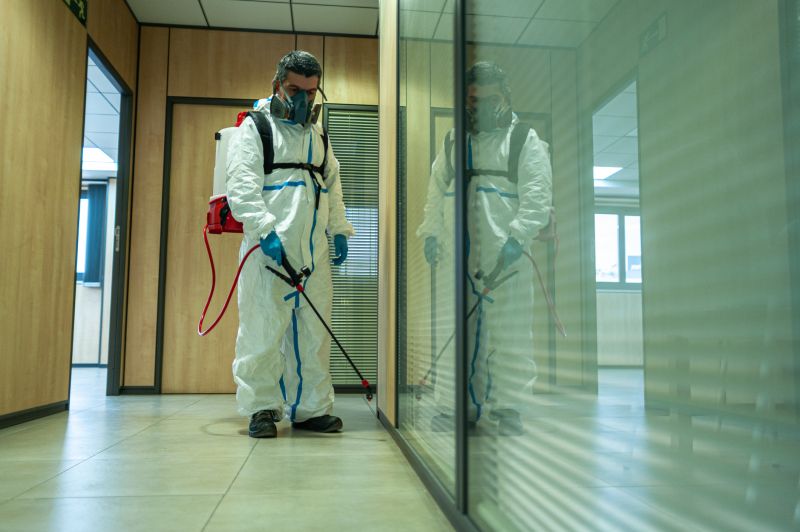
When homeowners search for information about fumigation vs. traditional pest control, they are often trying to understand the differences between these two approaches to managing pest problems. The focus is usually on identifying the most effective method for eliminating severe infestations or specific pests, such as termites, bed bugs, or rodents. People want to know which approach is better suited for their particular situation, whether it involves a one-time treatment or ongoing pest management. This search is typically driven by urgent pest issues or a desire to prevent future problems, making it important for homeowners to understand the distinctions so they can make informed decisions about engaging with local service providers.
The types of problems associated with fumigation vs. traditional pest control often involve different levels of severity and property conditions. Traditional pest control methods generally include regular treatments like bait stations, sprays, or traps aimed at controlling pests over time. These are suitable for ongoing management of common household pests or minor infestations. Fumigation, on the other hand, is usually reserved for more serious or persistent infestations, such as termite colonies or bed bug outbreaks, where a more aggressive and comprehensive approach is necessary. Homeowners may also consider fumigation if previous treatments have failed or if the pest problem is widespread within the property.
In terms of property types, the discussion around fumigation vs. traditional pest control often involves residential homes, especially those with extensive infestations or structural issues. Larger homes, multi-unit buildings, or properties with difficult access areas may require specialized treatment plans. Commercial properties, such as restaurants, hotels, or warehouses, might also be involved, especially when dealing with pests that threaten health or safety standards. The choice between these pest control methods depends on the property's size, the severity of the infestation, and the specific pest involved. Local contractors experienced in both approaches can evaluate these factors and recommend the most effective solution for each property.
Understanding the differences between fumigation and traditional pest control helps homeowners connect with the right local service providers for their needs. While traditional methods are often suitable for routine pest management, fumigation offers a targeted solution for severe or resistant infestations. Local pros can assess the property’s specific situation and recommend the best approach, whether it involves a comprehensive fumigation or ongoing traditional treatments. This ensures that homeowners receive tailored pest control services that address their unique problems, helping to protect their property and restore peace of mind.
Termite Inspection Services - Professionals specializing in termite inspections utilize planning and treatment techniques similar to fumigation and traditional pest control methods to identify and eliminate infestations.
Rodent Control Projects - Local contractors handling rodent exclusion and baiting programs employ planning and tools comparable to those used in pest control and fumigation treatments.
Bed Bug Treatment Services - Bed bug eradication often involves targeted treatments and strategic planning akin to fumigation and conventional pest control approaches.
Mosquito Control Programs - Mosquito management services use planning, equipment, and application techniques that align with pest control strategies for outdoor and indoor environments.
Wildlife Removal Projects - Wildlife exclusion and removal require similar planning and tool use as pest control services, focusing on safe and effective pest management.
Insect Barrier Installation - Installing physical barriers and traps involves planning and tools comparable to those used in pest control and fumigation services to prevent infestations.
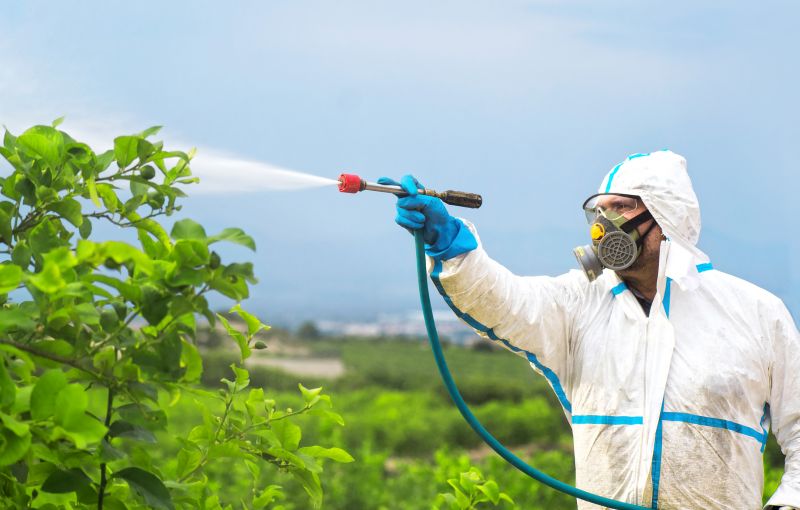
When evaluating service providers for pest control, it is essential to consider their experience with similar projects. Local contractors who have handled fumigation and traditional pest control services for homes with comparable issues can offer valuable insights into what methods work best for specific situations. An experienced provider will understand the nuances of different pest problems and be able to recommend the most effective approach, whether it involves a full fumigation or a more localized treatment. This familiarity can help ensure that the chosen pest control method is appropriate for the severity and type of infestation, leading to more reliable results.
Clear, written expectations are a crucial aspect of choosing a reputable service provider. When comparing local contractors, it’s beneficial to review the scope of work, the procedures involved, and the potential outcomes documented in their estimates or service agreements. This transparency helps homeowners understand what to expect from fumigation versus traditional pest control options and ensures there are no surprises during or after the treatment. Well-defined expectations also facilitate better communication, allowing homeowners to address any questions or concerns before work begins, and to confirm that the selected approach aligns with their needs.
Reputable references and effective communication are vital indicators of a trustworthy pest control provider. Asking for references or reviews from previous clients can provide insights into the contractor’s reliability and the quality of their work, especially for projects involving fumigation or traditional pest control. Good communication from the service provider includes timely responses, clear explanations of treatment options, and straightforward answers to questions about the differences between fumigation and traditional methods. These elements help homeowners feel confident in their choice of a local contractor, ensuring that the process is well-managed and that the selected pest control approach is executed professionally and effectively.
Property owners often search for fumigation vs. traditional pest control: key differences when they are planning practical projects around their homes and businesses. Local pros provide Fumigation Pest Control services for everyday jobs and straightforward project options.


When property owners encounter pest issues, understanding the differences between fumigation and traditional pest control methods can influence the choice of treatment. Fumigation typically involves enclosing a structure and applying a gas to eliminate pests that are deeply embedded or difficult to reach with standard treatments. This approach may be suitable for severe infestations or specific pests like termites or bed bugs. On the other hand, traditional pest control often relies on targeted applications of liquids or powders to treat visible pests or those accessible on surfaces. Many local contractors offer both options, helping property owners choose the most effective solution based on the scope of the pest problem and the type of pests involved.
Homeowners or business owners searching for guidance on pest management may consider fumigation versus traditional pest control to determine the best approach for their situation. Fumigation can be more comprehensive, especially for infestations that are widespread or resistant to surface treatments, while traditional methods are generally suitable for routine or less severe pest issues. Local service providers can assess specific project needs and recommend suitable strategies, ensuring that property owners receive a solution tailored to their pest control challenges. Comparing these options with the help of local experts can lead to more effective and efficient pest management outcomes.
What is the main difference between fumigation and traditional pest control? Fumigation involves sealing a space and applying gaseous pest control agents to eliminate pests throughout an area, while traditional pest control typically uses spot treatments or sprays to target pests directly.
When should fumigation be considered over traditional pest control? Fumigation is often used for severe infestations or pests that are hard to reach with conventional methods, whereas traditional pest control is suitable for routine or localized pest issues.
Are there specific pests that are better addressed with fumigation? Yes, pests like termites, bed bugs, and stored product pests often require fumigation due to their hidden or widespread nature, whereas traditional methods may suffice for surface or accessible pests.
How do local contractors determine whether fumigation or traditional pest control is appropriate? They assess the type of pest, infestation severity, and the extent of the affected area to recommend the most effective treatment method.
Can local service providers handle both fumigation and traditional pest control? Yes, many local contractors are equipped to perform both types of pest control services based on the specific needs of the property and pest problem.
Understanding treatment scope - Property owners can evaluate whether fumigation or traditional pest control suits their specific pest issues by discussing options with local contractors.
Assessing treatment duration - Planning a pest management project involves considering the time each method takes, with local service providers offering guidance on scheduling treatments effectively.
Choosing application methods - Property owners can work with local pros to determine which approach best fits their property's layout and pest problem, ensuring proper application techniques are used.
Planning for post-treatment needs - After selecting a pest control method, property owners can coordinate with local contractors on follow-up steps and preventative measures to maintain pest-free conditions.
If you are thinking about fumigation vs. traditional pest control: key differences for a property, this guide is meant to help you understand this topic, the typical project types, and how different options might fit your plans.
When you are ready, you can use the quote form on this page to share a few details about your project. From there, local pros can review the basics and follow up with options that match what you have in mind.